
Double Chin
A double chin, also known as submental fullness, occurs when excess fat and loose skin develop beneath the chin, creating a less defined jawline and neck contour.
Causes of Occurrence
Causes of Double Chin
Common causes of a Double Chin include genetics, aging, loss of skin elasticity, and excess fat beneath the chin. As collagen and elastin naturally decline over time, the skin around the jawline and neck may begin to sag, making a double chin more noticeable. Some individuals may also be genetically predisposed to storing fat under the chin, even at a healthy weight. Poor posture and fluctuations in weight can further contribute to the appearance of fullness beneath the chin and a less defined jawline.
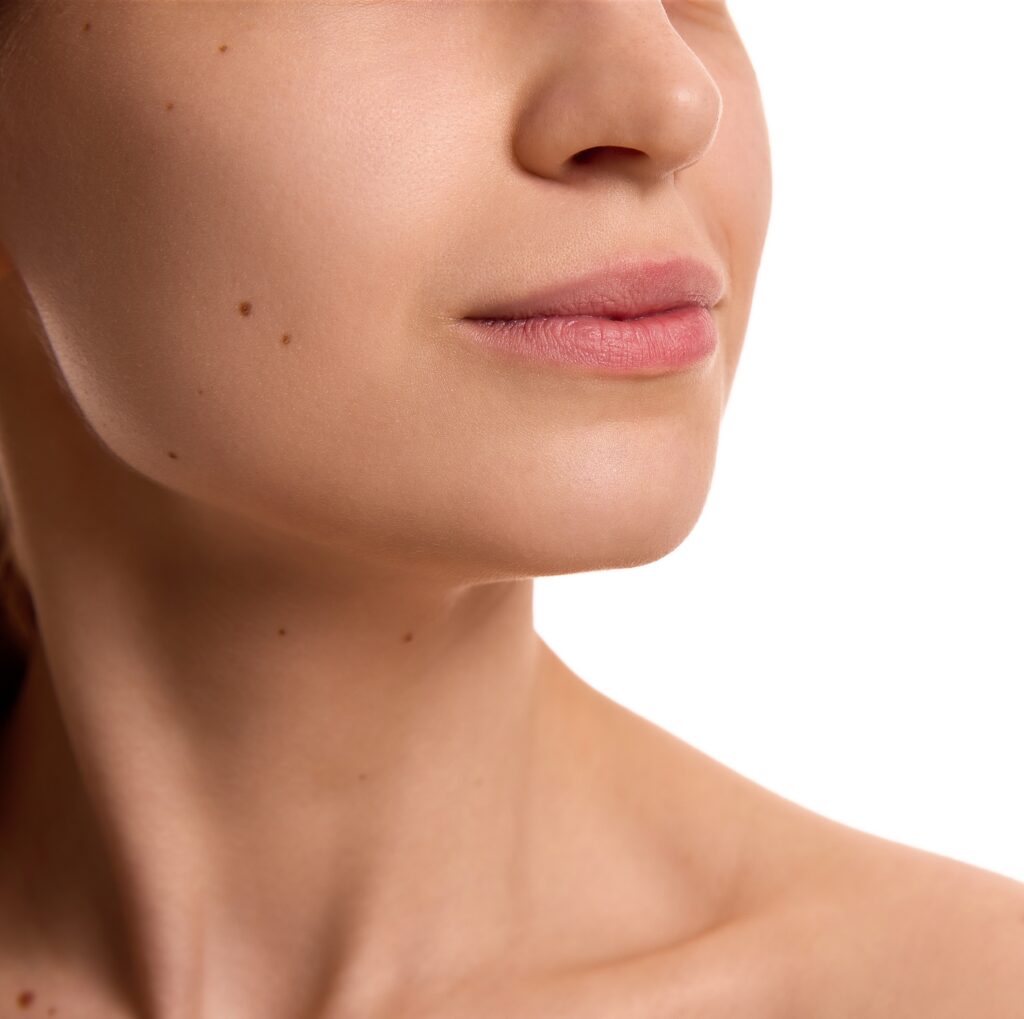
Common causes include:
Genetics – Some people are naturally more prone to storing fat beneath the chin or developing less defined jawlines.
Aging – As collagen and elastin decrease over time, the skin can lose firmness and begin to sag.
Weight Gain – Excess fat accumulation can contribute to fullness beneath the chin and around the neck.
Loss of Skin Elasticity – Skin that becomes loose or lax can make a double chin more noticeable.
Weight Fluctuations – Repeated weight gain and loss may stretch the skin and reduce firmness.
Poor Posture – Weak neck and chin muscles caused by poor posture may contribute to a less defined jawline appearance.
FAQ
Your Skincare Questions, Answered

What causes a double chin?
A double chin can be caused by genetics, aging, weight changes, or loss of skin elasticity, leading to excess fat or loose skin beneath the chin.
What treatments are available for a double chin?
Common treatments for a double chin may include Kybella, CoolSculpting, skin tightening treatments, and other cosmetic procedures designed to reduce fat and improve contour.
How long does it take to see results from double chin treatments?
Results vary depending on the treatment, but many patients begin noticing improvement within several weeks to a few months.