Hyperpigmentation
Hyperpigmentation is a skin condition where certain areas become darker due to excess melanin production. It appears as dark spots, patches, or uneven skin tone and can be caused by sun exposure, inflammation, hormonal changes, or skin injuries.
Causes of Occurrence
Causes of Hyperpigmentation
Hyperpigmentation occurs when the skin produces excess melanin, the pigment responsible for skin color. This overproduction can be triggered by various internal and external factors, leading to dark spots, patches, or an uneven skin tone.
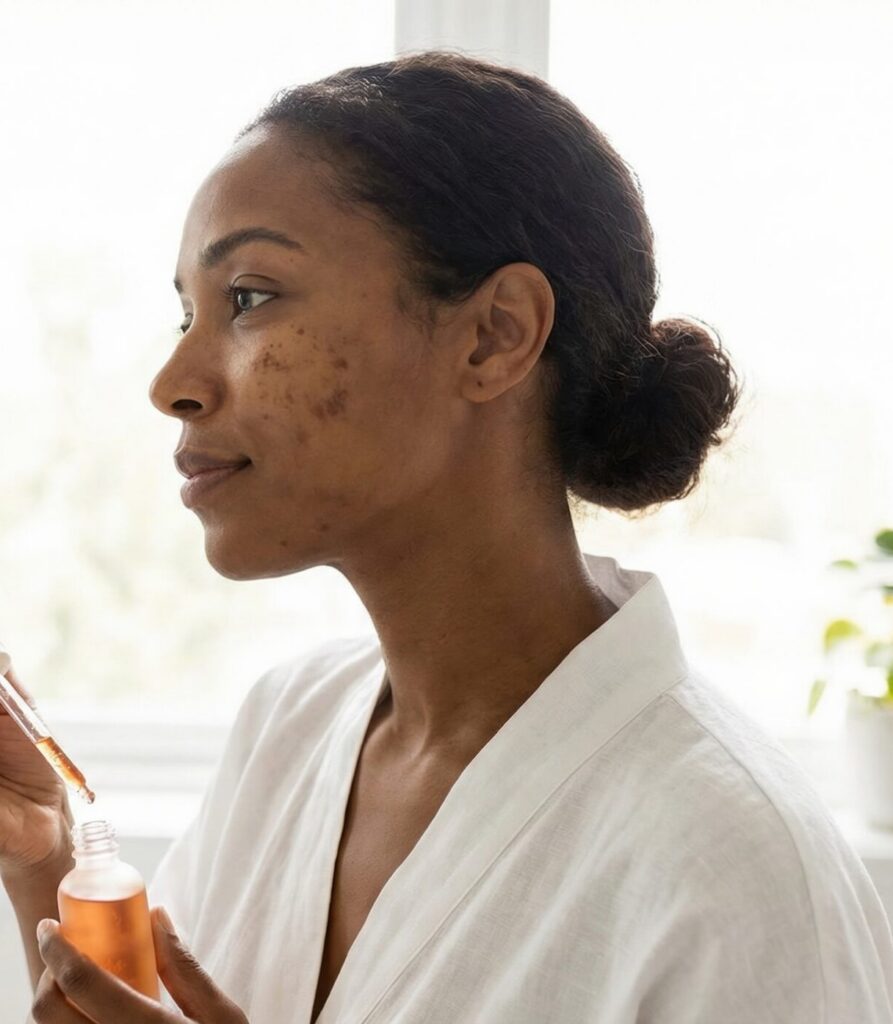
Common causes include:
Sun Exposure – UV rays stimulate melanin production, leading to sunspots or age spots.
Inflammation & Skin Trauma – Acne, cuts, burns, or irritation can cause post-inflammatory hyperpigmentation (PIH).
Hormonal Changes – Conditions like melasma are triggered by pregnancy, birth control, or hormone therapy.
Medical Conditions & Medications – Certain illnesses or drugs (like chemotherapy or antibiotics) can trigger pigmentation changes.
Genetics – Some people are more prone to pigmentation issues due to hereditary factors.
Aging – Natural skin aging can cause dark spots and uneven pigmentation.
Our Solutions
Treatment Options
IPL Photofacial
IPL Photofacial
read more
VI Peel
VI Peel
read more
ZO Skin Health Peels
ZO Skin Health Peels
read more
FAQ
Your Skincare Questions, Answered

Which skin tone issues require medical intervention?
Persistent discoloration, sudden pigment changes, or lesions should be assessed by a dermatologist.
How can I tell if my skin concern is medical or cosmetic?
We commonly treat concerns like acne, hyperpigmentation, rosacea, fine lines, and uneven skin texture using tailored treatment plans.
How can I tell if my skin concern is medical or cosmetic?
If your concern affects your comfort, daily function, or shows signs of infection, it’s likely medical. Cosmetic issues are usually appearance-based and non-urgent.