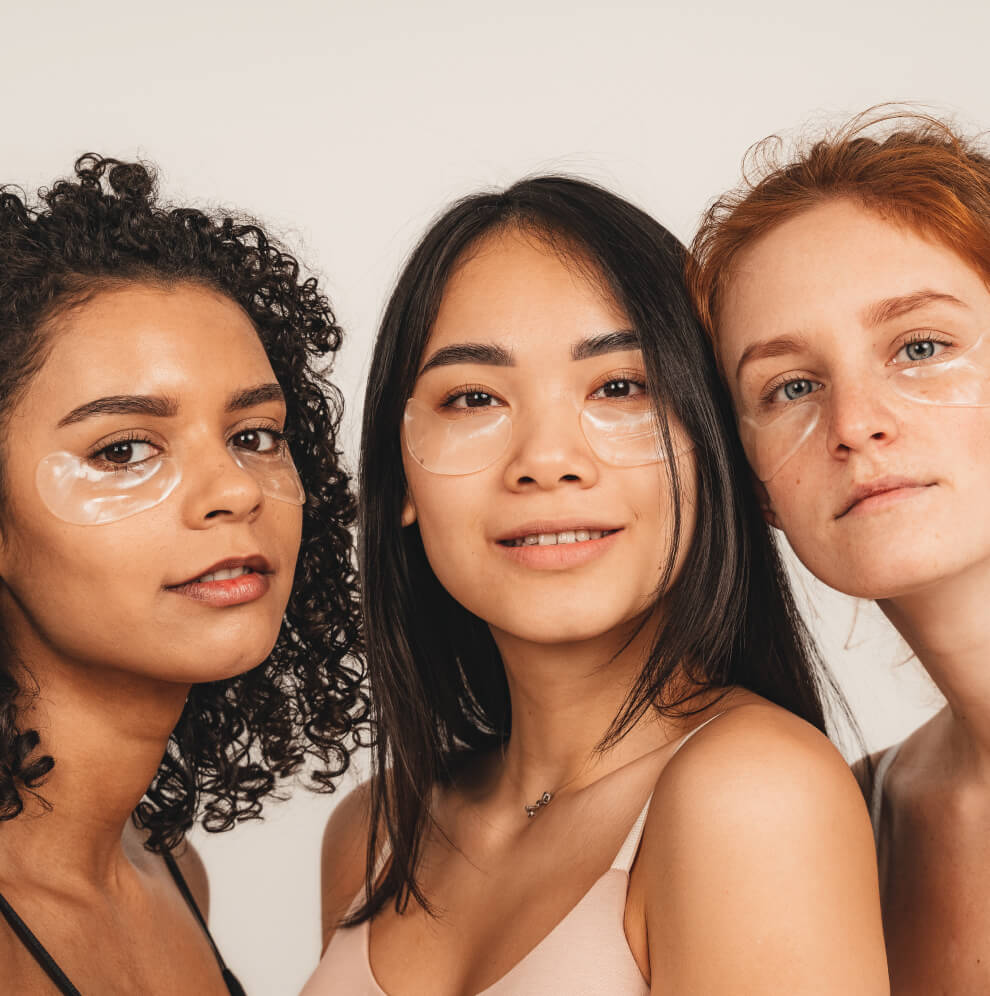
Uneven Skin Texture
Uneven skin texture occurs when the skin appears rough, bumpy, dry, or irregular rather than smooth and refined. Common causes include enlarged pores, acne scars, fine lines, dead skin buildup, and sun damage. Treatments and skincare solutions can help improve texture, smooth the skin, and restore a healthier, more radiant appearance.
Causes of Occurrence
Causes of Uneven Skin Texture
Uneven skin texture can develop from a variety of factors that affect the skin’s surface, tone, and overall smoothness. One of the most common causes is the buildup of dead skin cells, which can leave the skin feeling rough or looking dull. Aging, sun exposure, acne scars, enlarged pores, dehydration, and reduced collagen production can also contribute to uneven texture over time.
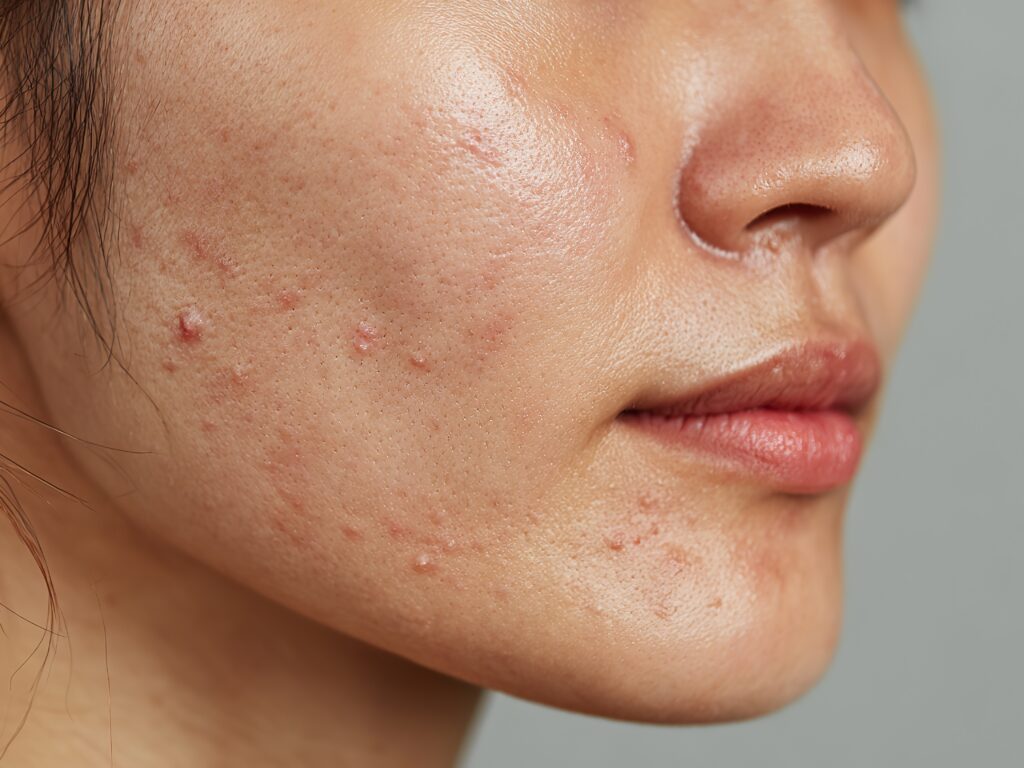
Common causes include:
Sun Exposure – UV rays can damage collagen and contribute to rough texture and uneven skin.
Dead Skin Cell Buildup – Accumulation of dead skin cells can make the skin feel rough and uneven.
Hormonal Changes – Hormone fluctuations can contribute to breakouts and skin texture changes.
Acne & Acne Scarring – Breakouts and acne scars can leave bumps, indentations, and irregular texture.
Enlarged Pores – Visible pores can create an uneven skin surface.
Aging – Slower skin cell turnover and collagen loss can affect skin smoothness over time.
FAQ
Your Skincare Questions, Answered
What causes uneven skin texture?
Uneven skin texture can be caused by acne scars, sun damage, aging, clogged pores, dryness, dead skin buildup, and collagen loss.
Can uneven skin texture be improved without surgery?
Yes, many non-invasive and minimally invasive treatments can help smooth and refine the skin with little to no downtime.
What treatments are available for uneven skin texture?
Common treatments may include microneedling, chemical peels, laser resurfacing, Hydrafacial, dermaplaning, and medical-grade skincare products designed to improve skin texture and tone.